

For decades parishes have relied on youth ministry models based on programs, centered around events, heavily carried by one leader
(the youth minister)
Outside programs, keynote speakers and one-off trainings help pass on knowledge. Unfortunately youth ministries still experience a fleeting youth culture, a high youth minister turnover rate, and wavering adult volunteers. Without a path for every lay person to be mentored and commissioned as missionary leaders, many stay in the parish as perpetual consumers or move on.
step into a renewed parish pathway with committed volunteers, youth discipleship, and parent engagement

distributed leadership
Prevent burnout by creating missionaries in your parish. We disciple adult volunteers and implement parent recruiting. This leads to a wider net of mature leaders, capable of collectively taking on more responsibility.

a culture of evangelization
Reach every teen by creating an entryway that is easily accessible to the churched and unchurched. This starts by organically building relationships of trust in familiar environments (schools, homes, coffee shops) and then sharing the gospel.

a culture of discipleship
Make long-term disciples by meeting the basic pastoral needs of teens consistently. Rather than falling through the cracks after retreats and confirmation, teens will experience true mentorship and pastoral care year-round in friend groups of 4-6 people.

a culture of encounter
Rely on God to do the heavy lifting. Teens will be invited into a prayer and worship rhythm in their discipleship groups. Core leaders are expected to be in a communal rhythm of life, praying routinely for everyone in their ministry.

a multi-space approach
Maximize participation and minimize use of parish resources by using outside locations. Instead of a parish hall, utilizing a home for a social night organically draws parents into involvement. Instead of a meeting room, the hospitality of a coffee shop immediately provides a comfortable space for teens.

Measured by Fruits of the holy spirit
Determine growth accurately by measuring the quality of persons, ministry and community (saints, service, stories). Through witnessing and documenting what the Holy Spirit is doing in every person, we know where we are fruitful and where we can grow.
Fill out our intake form and we will contact you shortly
to discover how our missionaries can best serve your parish
testimonials
“STF School of the Heart training is still something I draw on to this day. Many parts of it are still used in the way I now train and disciple my current teen volunteers. When I was a confirmation director, I would have ideas and a vision for how I wanted my retreat to look, but couldn’t quite put together a formula for bringing that vision to life. When I reached out to the Stone to Flesh missionaries, they sat on the phone with me, heard me out, and helped me with strategic steps towards putting the retreat together. They were able to help me make necessary decisions and look out for potential challenges. For any minister or church who would like a fresh group of people to come serve and disciple any of your parishioners, I encourage them to collaborate with Stone To Flesh.”
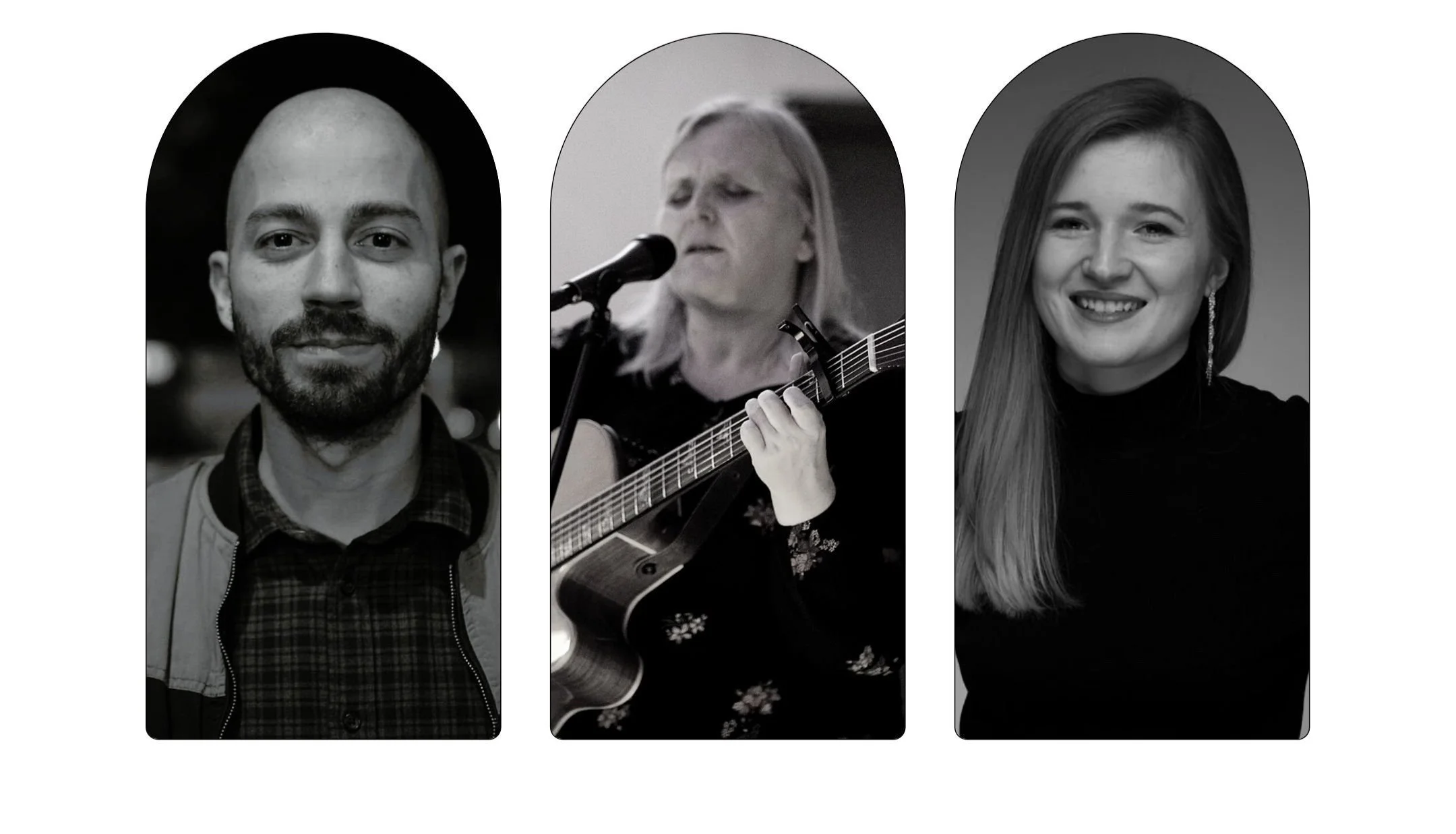
“Vince engages teens and adults in a direct and personal approach through his conversation, life of faith, and music. On the last night of our Teen Leader retreat, Vince introduced the teens to Lectio Divina and concluded our time together with prayerful songs and testimony. Vince has been instrumental in our approach to Confirmation and Teen Leadership. ”
FAQS
-
This pathway can be applied to both. We offer prep, training, teaching, retreat planning/implementation, and more for parishes in need of a comprehensive confirmation strategy.
-
We teach directly from the Catechism of the Catholic Church and Scripture. For confirmation classes, we train leaders on providing an inquiry-based learning environment, sharing testimonies, and teaching experientially with practicum. For youth ministry discipleship groups, leaders will be expected to take on a shepherding role, not a teaching role. This means hearing the daily challenges of their group and primarily using their Bible or personal testimonies to provide mentorship. In every group or class there is an opportunity for encountering God in prayer.
-
This is fine for the first phase of leader training. For anything beyond that, the goal is to transition from a program strategy to a pathway strategy. Once you fill out our intake survey we can strategize in detail on how to make this happen.
-
Our focus for teens is to create a pathway that any person can step into, churched or unchurched. Fellowship and discipleship opportunities will not look like the typical youth night in a parish hall. Social gatherings in homes will be considered evangelistic so that teens may invite friends from school. Small discipleship groups will happen in local environments like homes, coffee shops, schools, parks. Larger gatherings like day retreats, team trainings, and Adorations will happen at the parish. Confirmation classes can be in a large group setting in a hall at first but our goal will be to transition them into smaller groups once more leaders are trained.
-
For youth ministry, we deliberately train leaders to have an outside focus on evangelization and discipleship. Teens feel the most comfortable in familiar spaces that they frequent regularly. We have also seen that some parents want to be very involved but they don’t know how. When recruiting parents, we ask to have social nights or discipleship groups in their homes. Those that say yes commit more, as does their teen. All adult leaders including parents are safe environment trained which leads to more committed volunteers.
-
Yes, for young adults and adults we recommend School of the Heart, our weekly discipleship school. For middle school and under, this pathway still applies with some slight adjustments.
-
We are based in Southern California and can visit LA/OC/SB parishes. For parishes in other regions, we consult and train virtually.
To convert somebody, go and take them by the hand and guide them.
- St. Thomas Aquinas
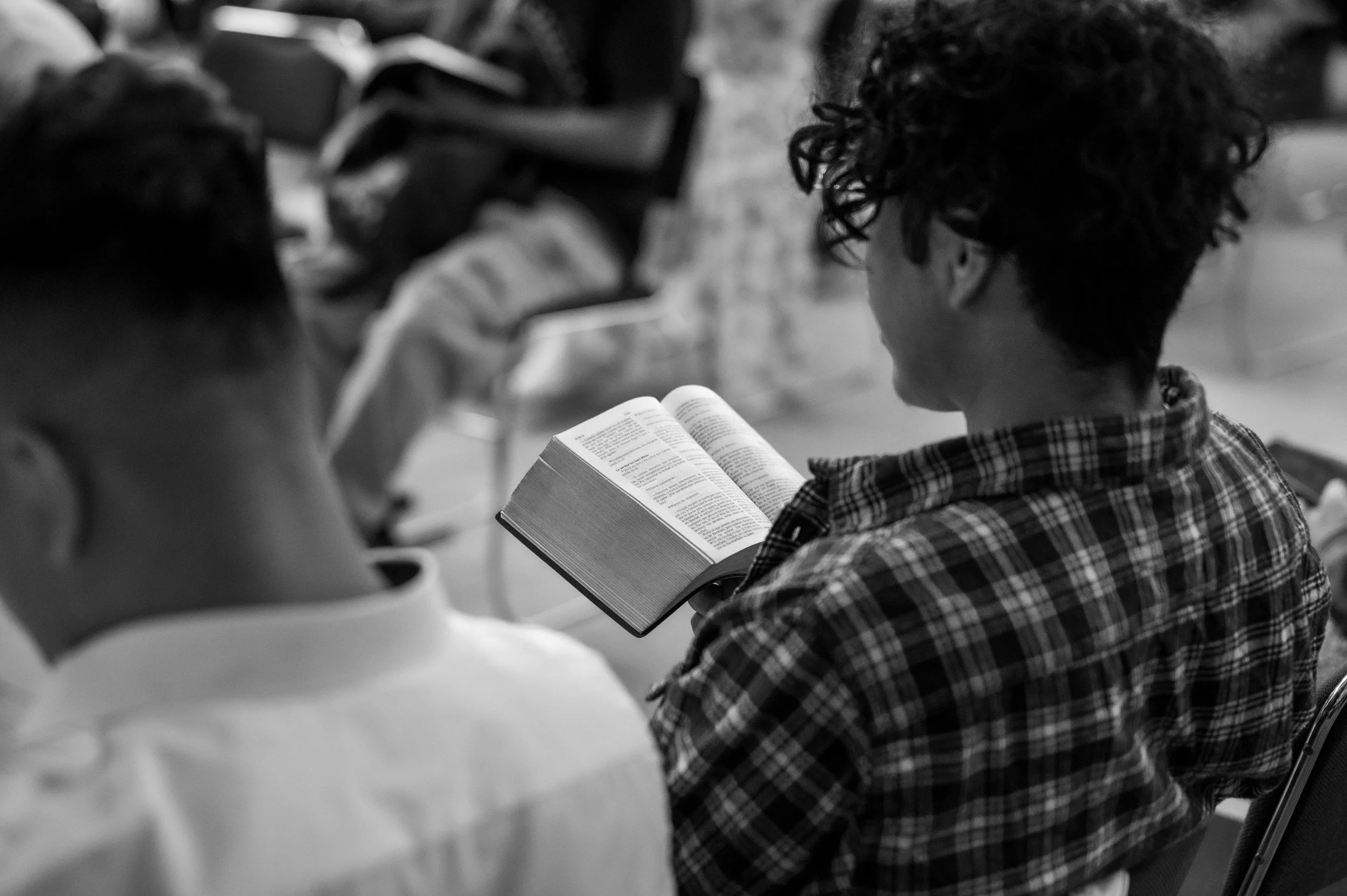
Most youth ministry programs are content-based, not people-based.
Discipleship in the image of Christ is a Rabbi/Follower relationship. The start of this type of relationship is often organic and informal. It does not happen in the distant space that occurs in a large group event or lecture. It can’t be created by trying to force a personal relationship. It isn’t reading content from a page. The start of it looks like a young person asking advice from someone they see as a mentor. That mentor helps guide the disciple to God by witnessing to what Christ has done in their own life. Programs are for the passing on of information. Pathways are places a person can willingly and organically say yes to being taken on and guided, moving slower or faster, depending on the speed of growth they are ready for.