The Agony of Stress and the Power of Surrender
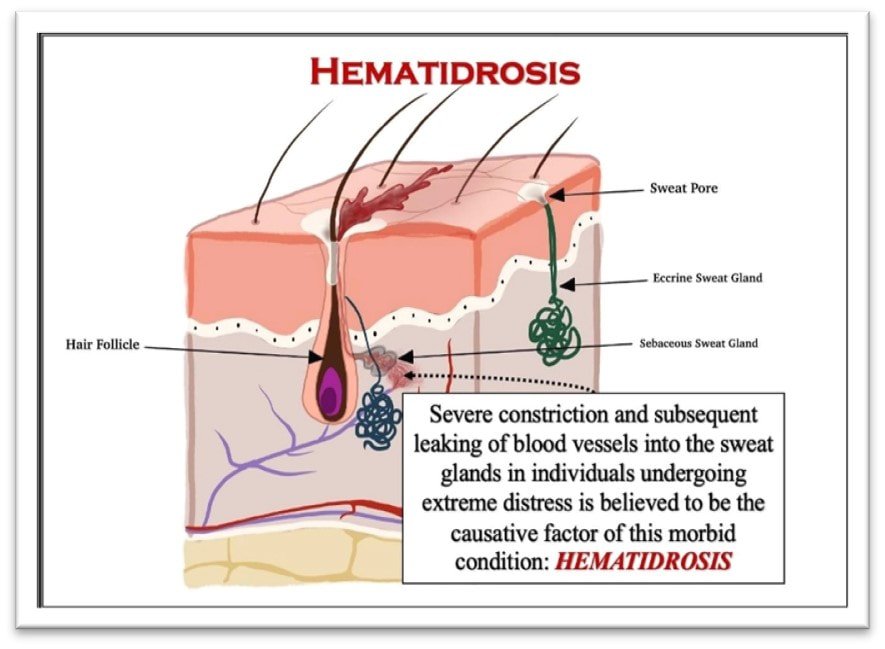
“When a person is undergoing intense emotional distress, fear, or anguish, the amygdala in the brain is activated, leading to the release of stress hormones cortisol and adrenaline which dilate the airways and constrict the blood vessels so as to target more blood to vital organs. Severe constriction and subsequent leaking of blood vessels into the sweat glands in individuals undergoing extreme distress is believed to be the causative factor of this morbid condition (Duffin, 2017). The fact that the sweat of Jesus was as “great drops of blood” supports His declaration that His soul was “exceeding sorrowful, even unto death”, in that the magnitude of His sorrow was affecting the physical estate of His body so much that it would kill Him, if not for divine intervention, as is indicated by the angel from heaven which appeared to strengthen Him (Lk. 22:43).” – Dr. Preethi Morris
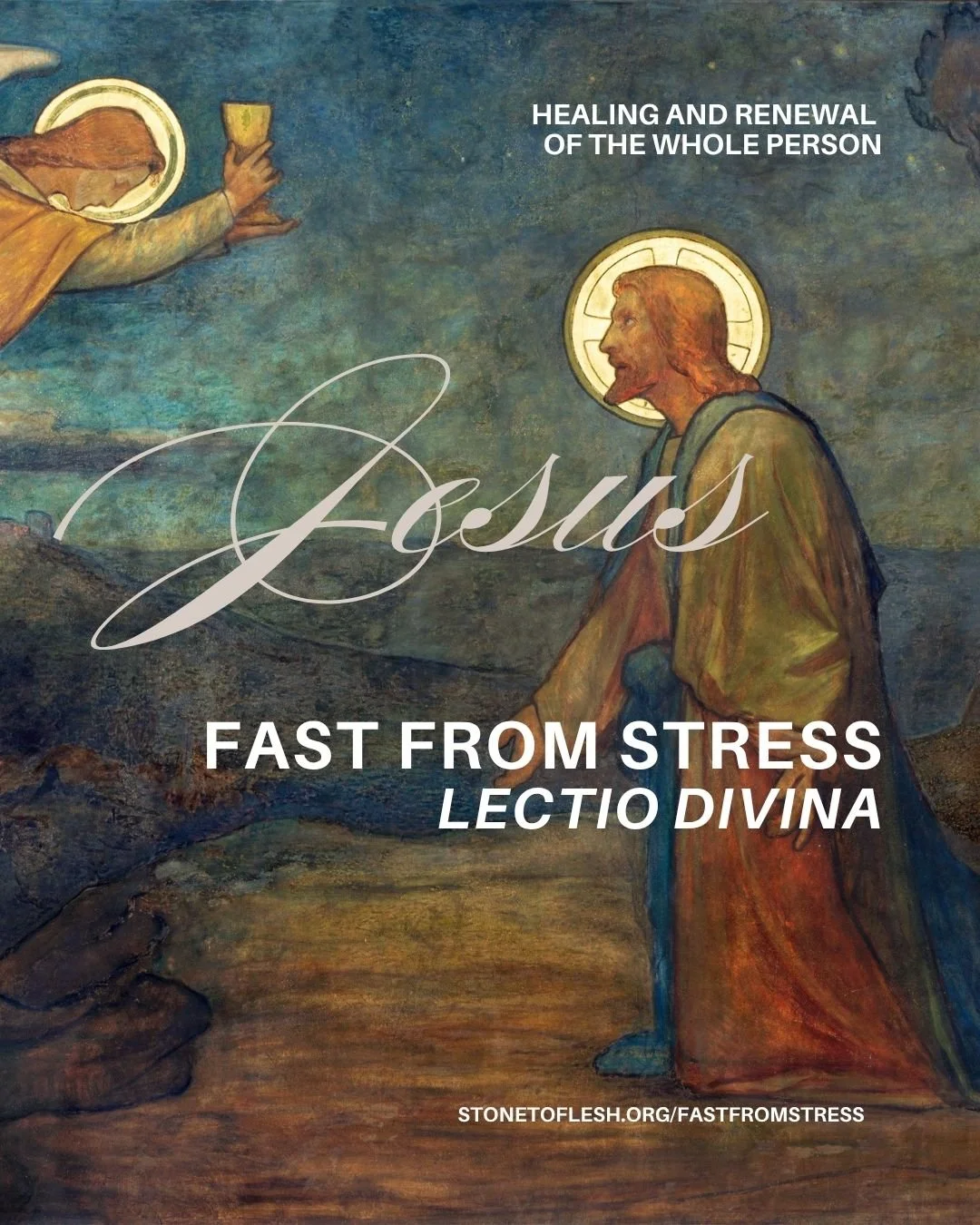
When Jesus entered the Garden of Gethsemane, He wasn’t just preparing for physical suffering. He was stepping into the greatest spiritual battle ever fought. In His humanity, Jesus experienced the peak of emotional distress, a level of stress so severe that it triggered a condition known as hematidrosis, where capillaries under the skin burst, causing sweat to mix with blood.
Modern science helps us understand what was happening in His body. Under intense stress, the brain’s amygdala activates a “fight or flight” response, flooding the body with cortisol and adrenaline. In Jesus, the magnitude of this stress wasn’t just a personal burden. He was preparing to bear the sin, sorrow, and suffering of all humanity. The crushing weight wasn’t symbolic, it was real, pressing Him to the brink of death. He said, “My soul is very sorrowful, even to death” (Matthew 26:38)
Adrenaline and cortisol are designed to help us survive short-term threats, but when they flood the body excessively or over long periods, they wreak havoc:
Cortisol suppresses the immune system, making the body more vulnerable to illness.
Blood vessels constrict, increasing blood pressure, risking cardiovascular damage.
Blood sugar levels rise, leading to insulin resistance and metabolic dysfunction.
Digestive and reproductive systems shut down, depriving the body of essential repair mechanisms.
The brain’s emotional centers remain in hypervigilance, leading to anxiety, panic, and emotional exhaustion.
But He didn’t run from it. He prayed.
In His agony, Jesus showed us the secret weapon against destructive stress: communion with the Father. Prayer is not just a spiritual activity, it realigns the mind, heart, and body to divine rhythms.
Prayer shifts the body from “fight or flight” to “rest and repair.”
It lowers cortisol levels, calms the heart rate, and opens the body to receive God’s healing presence.
It releases emotional tension, allowing the mind to surrender internal conflicts.
It reconnects the soul to the Father in heaven, Source of Life, shifting focus from fear to trust.
Jesus’ prayer in Gethsemane wasn’t a casual request. It was an agonizing surrender: “Father, if thou art willing, remove this cup from me; nevertheless not my will, but thine, be done.” This surrender was the turning point. His human will, strained to the edge, was fused with divine will. In that moment, atonement was being forged, not yet by the nails of the Cross, but by the surrender of His Heart.
The battle for humanity’s salvation was fought in a bloody sweat-soaked garden. Before He could be lifted on the Cross for the world to see, He laid down His will in the hidden place of prayer. The angel that came to strengthen Him was heaven’s answer to the stress that could have killed Him. Divine intervention met human weakness, and the path to redemption was sealed.
For us, Gethsemane is an invitation.
When stress threatens to crush us, we are not left to bear it alone. Jesus invites us to kneel where He knelt. He understands the biology of stress because He lived it. But He also opened the way to conquer it, in this case, not by eliminating suffering, but by transforming it through union with God.
When we surrender our stress in prayer, we are strengthened by the same grace that sustained Him. In Him, stress becomes not a trap, but a threshold into peace, strength, and communion.
Reflection Questions:
When you are under extreme stress, do you tend to fight it, flee from it, or freeze? How does Jesus’ example in Gethsemane challenge you to respond differently?
What internal battles or “cups” are you currently asking God to take away from you? Are you willing to pray, “Not my will, but Yours be done” with Him?
How do you usually cope with stress physically? Have you considered how prayer might actually shift your body’s stress response as well as your spirit’s?
What does it mean for you personally that Jesus understands your stress not only spiritually but biologically?
Are there areas in your life where stress has become a trap? How might surrendering those areas in prayer become a threshold into deeper union with God?
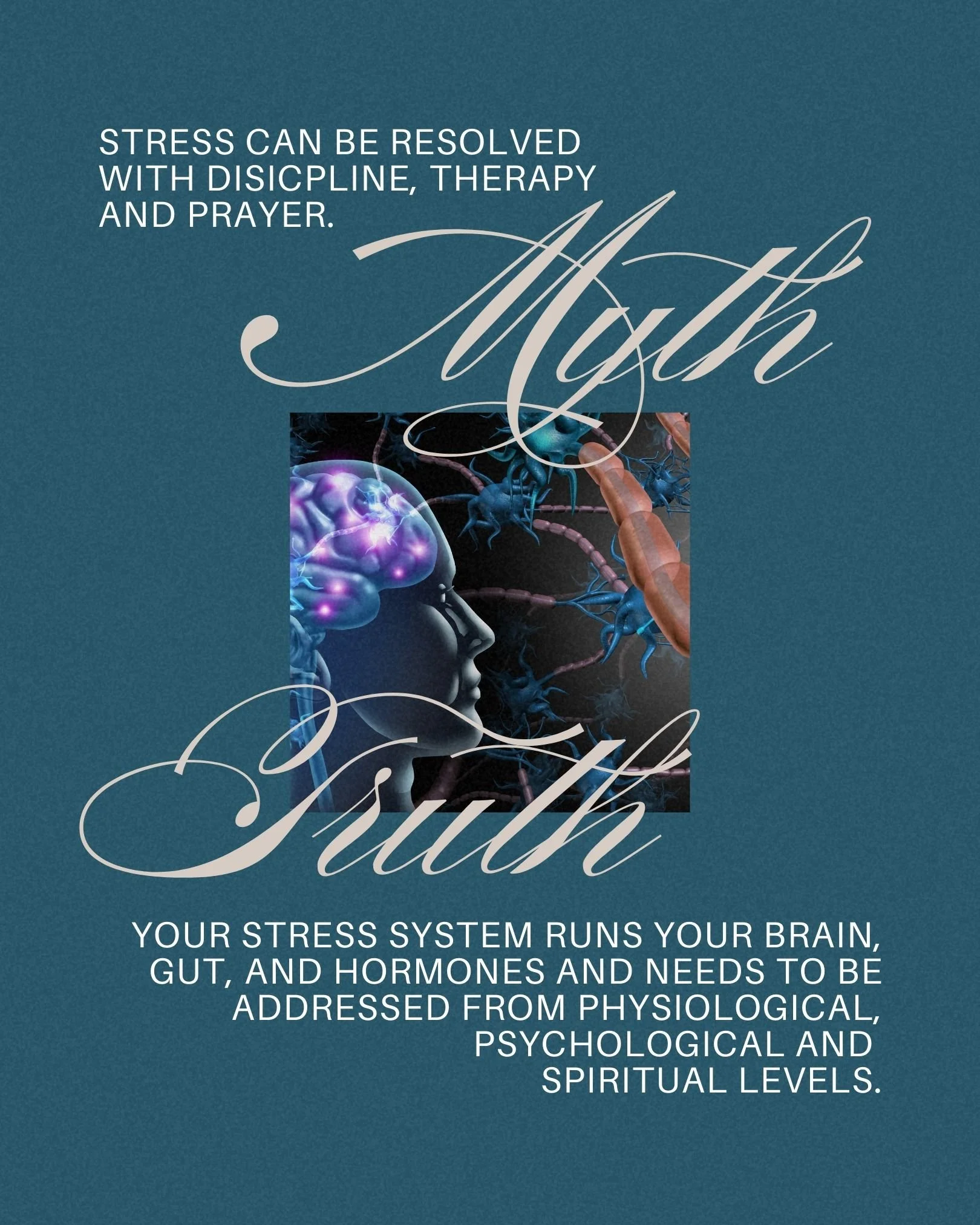
Let the pressure die. Let the false urgency fall asleep.
2h in 2 videos
WHY FAST from STRESS?
Because your body can’t heal when it’s stressed.
Because your soul can’t rest in grace when it’s clenched in fear.
Because cortisol raises glucose, and glucose spikes cause cravings, brain fog, and burnout.
Because the Dormition Fast is the perfect moment to say: Let the pressure die. Let the false urgency fall asleep.
So you can rise with Mary into peace.
What Does It Mean to Fast from Stress?
This is not about forcing yourself to “relax.” It’s about deliberately finding and removing the hidden habits, burdens and stressors that keep your body, soul, and spirit trapped in constant strain.
Physical healing is almost impossible without removing STRESS causes.