The Dormition Fast with St. Hildegard of Bingen:
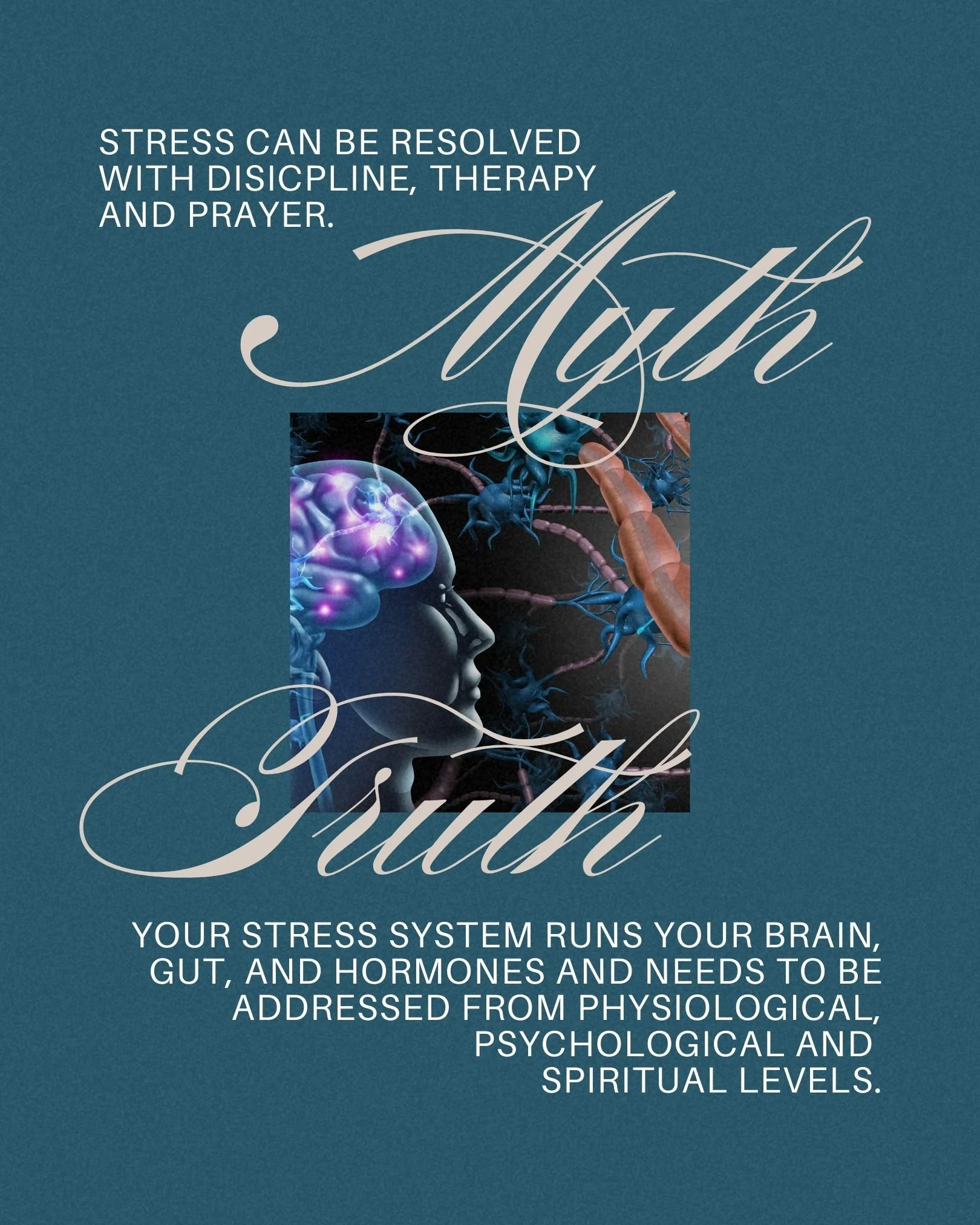
Let the pressure die. Let the false urgency fall asleep.
2h in 2 videos
WHY FAST from STRESS?
Because your body can’t heal when it’s stressed.
Because your soul can’t rest in grace when it’s clenched in fear.
Because cortisol raises glucose, and glucose spikes cause cravings, brain fog, and burnout.
Because the Dormition Fast is the perfect moment to say: Let the pressure die. Let the false urgency fall asleep.
So you can rise with Mary into peace.
What Does It Mean to Fast from Stress?
This is not about forcing yourself to “relax.” It’s about deliberately finding and removing the hidden habits, burdens and stressors that keep your body, soul, and spirit trapped in constant strain.
Physical healing is almost impossible without removing STRESS causes.
We fast to prepare. We fast to be free. We fast to be fruitful.
Mary Theotokos (Bearer of God) heard the word of God and kept it so well, that she of all women in history was chosen not only to hear His Word but give birth to it (Him). So while we fast in contemplation of her life, we are simultaneously preparing ourselves to live a life in imitation of her. That is the purpose of the Dormition Fast.- Fr. Hopko
We bring the kingdom of heaven on earth by our total and radical agreement with the promises of the Father of which Jesus is the fulfillment. It starts when we say YES and release the Holy Spirit given to us by following His promptings. Whether in times of prosperity or lack, health or sickness, breakthrough or stillness, we want to be awakened to the movements of the Spirit on our hearts and start living in a reality where heaven touches earth, starting with our inner man.
“Now the Lord is the Spirit, and where the Spirit of the Lord is, there is freedom. And we all, with unveiled face, beholding the glory of the Lord, are being changed into his likeness from one degree of glory to another; for this comes from the Lord who is the Spirit.”

According to the early Christian tradition, the Dormition Fast was celebrated since 4th century. It cherishes Theotokos (God-bearer, Mary), an example of an earthly life centered on Christ and being taken to the Trinitarian presence at the end of her life. One of the celebrated traditions during this fast included processions with the relics of the Holy Cross where many healings and miracles took place among those who came to touch it. The fast ends with the Feast of Dormition (Eastern tradition) known also as the 'second Pascha" and as the Feast of the Assumption (western Tradition).
Pray for revival, renewal, clarity and the empowerment of the Holy Spirit in our lives, our families, churches and cities.
Early Christians practiced four fasts yearly: Nativity, Lent, Apostles and Dormition. Today, mostly Eastern Christians (Orthodox, Eastern rite Catholics, Antiochian, Copts) still observe all four. The Dormition Fast always starts on Aug. 1st and lasts till Aug 14th. On Aug 15th we celebrate the Feast of Dormition (Assumption).
“The fast in August [Dormition fast] was established in honor of the Mother of God the Word; Who, foreknowing Her repose, ascetically labored and fasted for us as always, although She was holy and immaculate, and had no need for fasting. Thus, She especially prayed for us in preparation for being transported from this life to the future life, when Her blessed soul would be united through the Divine spirit with Her Son. Therefore, we also should fast and praise Her, emulating Her life, urging Her thereby to pray for us. Some, by the way, say that this fast was instituted on the occasion of two feasts—the Transfiguration and the Dormition. I also consider it necessary to remember these two feasts—one which gives us light, and the other which is merciful to us and intercedes for us.”
“He, indeed, assumed humanity that we might become God. He manifested Himself by means of a body in order that we might perceive the Mind of the unseen Father. He endured shame from men that we might inherit immortality.”